British wagering platforms have turned to layered referral structures that reward participants for bringing in new users who then recruit others, creating extended chains of incentives designed to expand customer bases without relying solely on traditional advertising spend. These systems operate through multi-tier bonuses where an initial referrer earns credits or cash when their invitee signs up and deposits, with additional payouts triggered as those new users bring in further participants. Data from industry tracking services shows participation in such programs climbed steadily through the first half of 2026, with several major operators reporting referral-driven sign-ups accounting for over 30 percent of monthly acquisitions by July of that year.Mechanics Behind Tiered Reward Structures
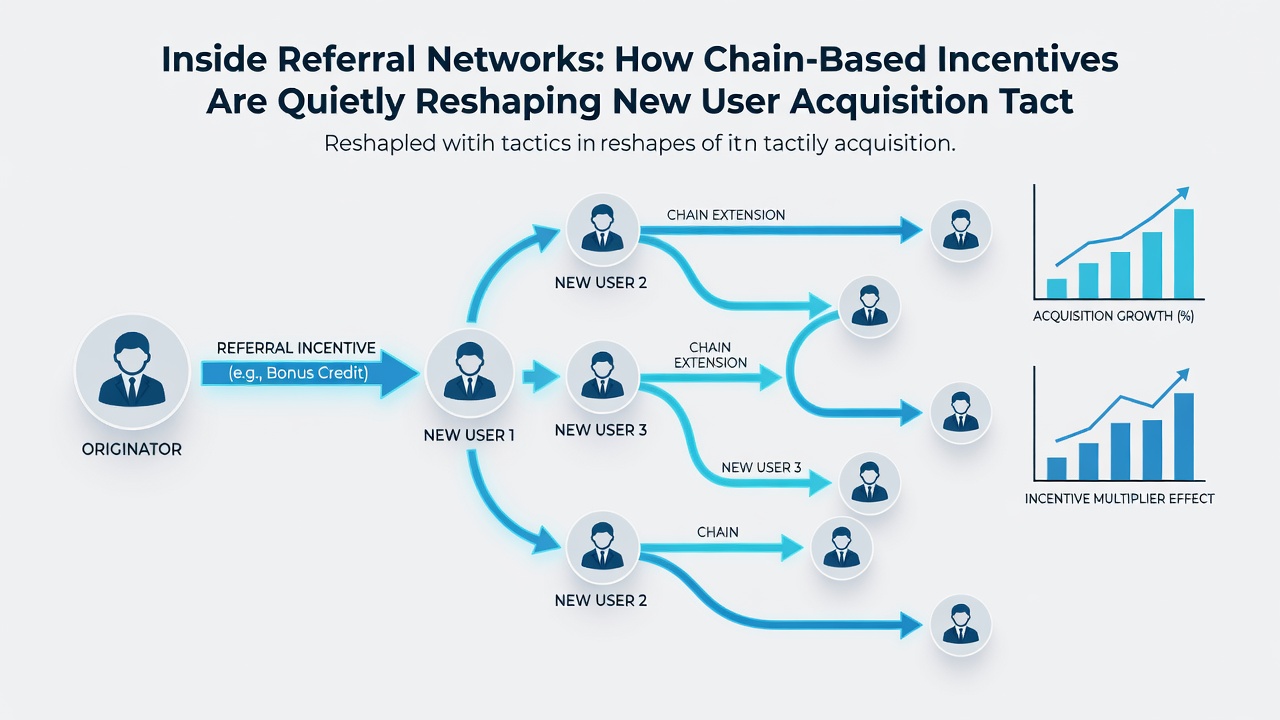
Platforms configure these networks so that rewards scale across levels, often granting percentage-based bonuses on the activity of referred users down to the third or fourth generation. A user who joins through a link receives an initial deposit match, then earns further credits each time someone they recruit completes qualifying bets or deposits. Observers note that this structure encourages existing members to actively promote the service because ongoing earnings depend on sustained engagement from the entire chain rather than one-time actions.
Implementation typically involves unique tracking codes embedded in referral links, allowing automated distribution of rewards once activity thresholds are met. British operators integrate these tools directly into mobile apps and desktop interfaces, displaying progress trackers that show potential earnings from each downstream user. Research from the European Gaming and Betting Association indicates that operators using three-level or deeper chains experienced faster growth in active user counts compared with those limited to single-tier programs.
Shift in Acquisition Strategies
Traditional paid media campaigns face rising costs and stricter targeting rules, prompting platforms to lean on organic spread through referral chains instead. These networks reduce per-user acquisition expenses because rewards activate only after verified activity rather than upfront payments for impressions or clicks. Figures released by several London-based analytics firms reveal that referral chains delivered lower cost-per-acquisition metrics during the spring and early summer of 2026, particularly for sports betting verticals tied to major football and tennis events.
Operators also combine chain incentives with existing loyalty tiers so that high-volume referrers unlock premium reward rates. This integration turns regular users into informal marketing channels who share links across social groups and messaging apps. Those who've examined platform dashboards report visible spikes in chain activity immediately after promotional pushes that highlight bonus multipliers for multi-level recruitment.
Regional Patterns and Platform Examples
London-headquartered operators have rolled out chain programs that cap rewards at specific depths while still allowing substantial cumulative payouts. One documented case involved a mid-sized platform that introduced a four-tier structure in late 2025 and recorded a 22 percent increase in new funded accounts within six months. Similar models appear among operators focused on horse racing and darts markets, where seasonal events create natural windows for users to share referral links with peers who follow those sports.
Studies conducted by the University of Nevada's International Gaming Institute highlight that chain-based systems produce measurable retention benefits because referred users often maintain higher activity levels when connected through personal networks. The same research notes that platforms in markets outside the UK, including parts of Australia and Canada, have adopted comparable structures with adjusted compliance layers suited to local rules.
Monitoring and Compliance Considerations
Operators maintain internal dashboards that flag unusual chain growth patterns, such as clusters of accounts sharing identical IP addresses or deposit sources. These controls help ensure rewards distribute only to genuine activity and reduce exposure to coordinated schemes. Industry reports from the Responsible Gambling Council of Canada describe parallel monitoring practices used by operators in that jurisdiction, where multi-level incentives undergo regular audits for fairness and transparency.
July 2026 saw several British platforms update their terms to include clearer disclosures about how chain earnings calculate and when payouts occur. These updates align with broader efforts to maintain trust while scaling acquisition through network effects rather than direct advertising.
Conclusion
Chain-based referral networks continue to expand across British wagering platforms as operators seek efficient methods to grow user bases amid competitive and regulatory pressures. The systems connect rewards across multiple participant levels, shifting acquisition tactics toward organic sharing supported by automated tracking and tiered payouts. Data collected through mid-2026 demonstrates measurable contributions to new account volumes and retention metrics, while monitoring tools help maintain operational integrity. External analyses from groups such as the European Gaming and Betting Association and academic centers like the University of Nevada's gaming institute provide ongoing context for how these structures function across different regulatory environments.