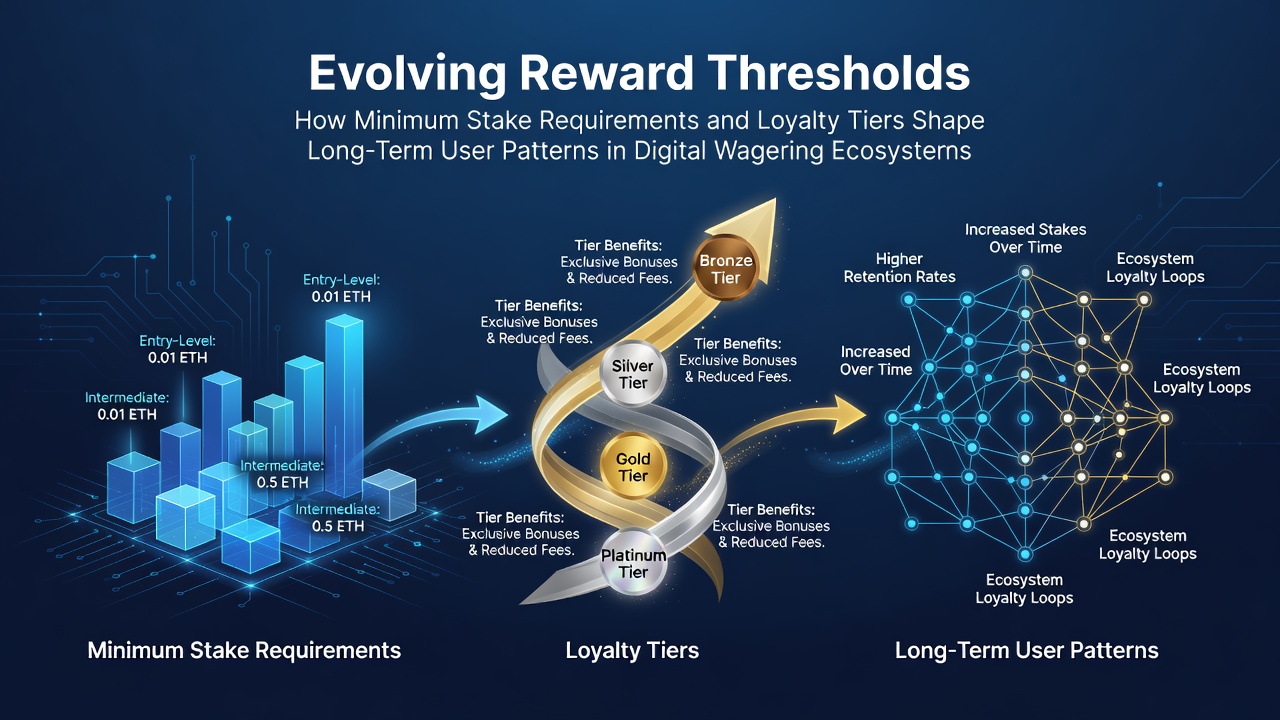
Loyalty Tiers Meet Stake Minimums: Patterns Emerging in Long-Term Digital Betting Engagement
Digital wagering platforms have adjusted minimum stake requirements and loyalty tier structures over recent years, and data from multiple markets shows these changes correlate with shifts in how users maintain accounts and place bets across extended periods. Observers note that operators often set entry-level stakes for bonus eligibility at fixed amounts while advancing users through tiers based on cumulative activity, and this combination appears to influence deposit frequency as well as session length according to aggregated industry reports.
Mechanics of Minimum Stake Requirements
Platforms establish minimum stake thresholds to qualify for promotions or to unlock tier benefits, and these levels vary by market and product type. Researchers tracking user cohorts in several jurisdictions have found that when minimum stakes rise, some users increase individual bet sizes to maintain access while others reduce overall participation volume. Data from Canadian provincial regulators indicates that such adjustments in 2025 coincided with measurable changes in average wager amounts among retained accounts, particularly in sports betting segments.
Stake minimums also interact with game categories, since casino titles and live dealer options frequently carry different thresholds than sports markets. Those who study platform analytics report that users crossing into higher tiers often sustain longer account lifespans when the required stakes align closely with their typical betting habits, whereas mismatches can lead to dormancy or migration to competing sites.
Loyalty Tier Structures and Retention Signals
Loyalty programs segment users into graduated levels that unlock enhanced rewards, and progression typically depends on points earned through deposits, wagers, or both. Evidence from Australian research centers shows that tier advancement correlates with increased repeat deposits over multi-month windows, especially when cashback percentages or free bet allocations scale upward at each level. Platforms release updated tier criteria periodically, and figures from European operators suggest that clearer communication of these requirements supports steadier user movement between tiers.
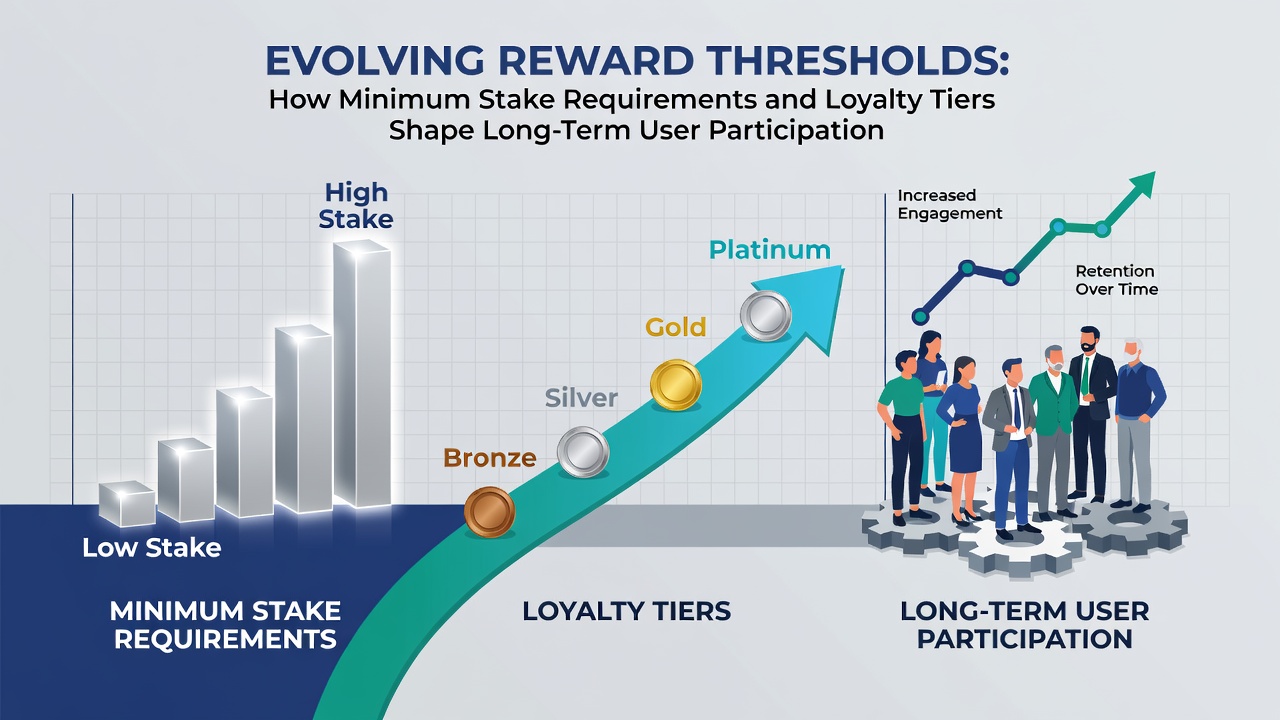
By August 2026 several major platforms had introduced dynamic tier resets tied to rolling 90-day activity windows rather than calendar years, and early indicators point to steadier engagement curves among mid-tier users. Industry associations in the United States have documented similar experiments, noting that users who reach upper tiers tend to consolidate activity on fewer platforms instead of spreading bets across multiple operators.
Observed User Pattern Shifts
Longitudinal studies conducted by academic groups in Europe reveal that minimum stake increases paired with tier incentives can extend account lifespan by several months on average, although the effect size differs across age groups and product preferences. Users who begin at lower tiers often exhibit initial caution with deposits until they accumulate enough activity to unlock the next level, after which deposit patterns stabilize according to anonymized transaction data shared in regulatory filings.
What's interesting is how these thresholds interact with external events such as major sporting calendars, where platforms temporarily adjust minimums to accommodate higher volumes. Reports from the National Council on Problem Gambling in the US link such adjustments to temporary spikes in both new registrations and tier progressions, followed by normalization once the event concludes.
Cross-Market Comparisons
Regulatory bodies in different regions apply varying oversight to these mechanics, and comparisons between markets illustrate divergent outcomes. Data compiled by the Canadian Centre on Substance Use and Addiction highlights that clearer disclosure of stake minimums and tier criteria coincides with lower rates of abrupt account closures in monitored cohorts. Meanwhile, operators in Australia have reported that tiered reward structures emphasizing non-monetary benefits such as priority support produce steadier retention metrics than cash-only incentives.
Platforms continue to refine algorithms that predict which users will respond to specific threshold adjustments, and early 2026 deployments of personalized minimum stake offers show promise in maintaining engagement across diverse user segments.
Conclusion
Minimum stake requirements and loyalty tier designs continue to evolve as operators respond to user data and regulatory expectations, and available evidence indicates these elements collectively shape the duration and intensity of engagement within digital wagering ecosystems. Further monitoring across multiple jurisdictions will clarify the extent to which specific threshold settings sustain or alter long-term user patterns.