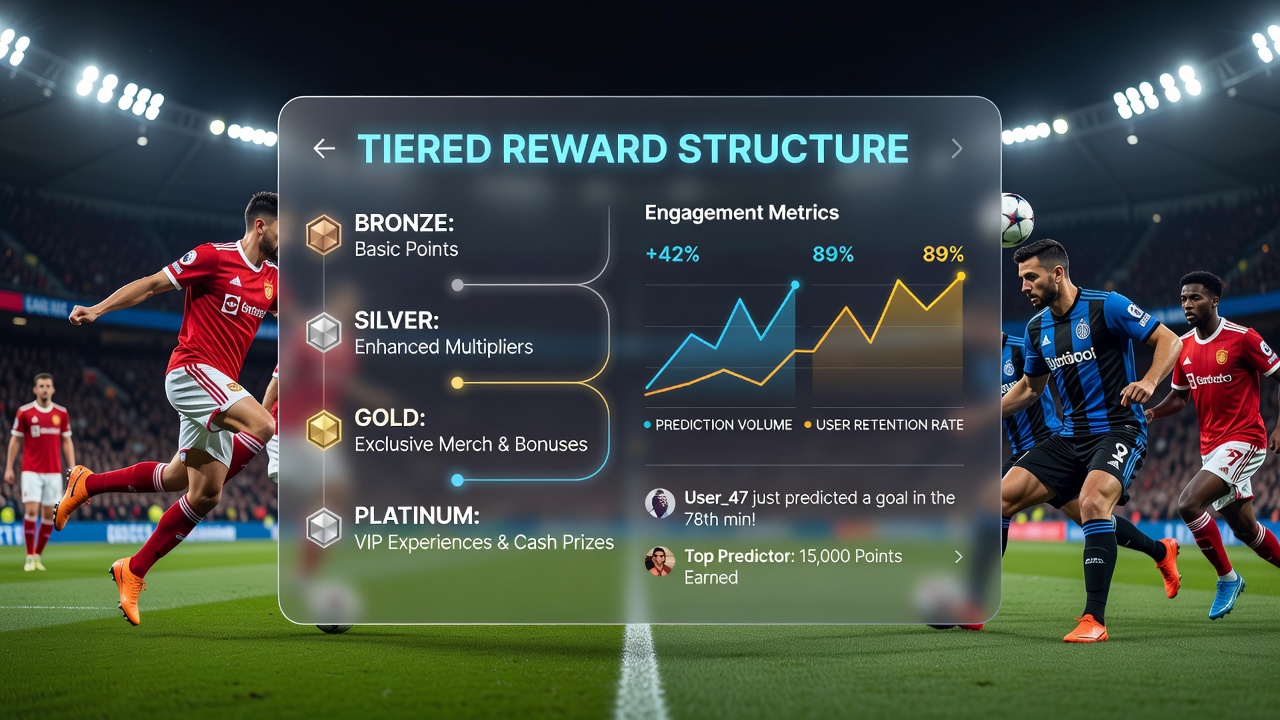
Tiered Reward Mechanisms Shift Engagement Dynamics in Major European Sports Prediction Platforms
European football seasons generate intense activity on prediction platforms, and tiered reward structures now play a central role in shaping how participants interact with these apps. Platforms divide users into levels based on consistent predictions, accuracy rates, and session frequency, unlocking escalating benefits at each stage. Data collected across the 2025-2026 campaign shows higher retention among users who advance through multiple tiers compared with those who remain at entry levels.
Mechanics Behind Tiered Reward Systems
Operators assign points for correct score forecasts, participation streaks, and league-specific challenges, then map those points to bronze, silver, gold, and platinum tiers. Each level grants access to exclusive prediction tools, priority access to high-stakes events, and enhanced virtual rewards that carry no monetary value. Researchers at institutions tracking digital engagement note that users who reach gold status typically double their weekly logins during the busiest months of the Premier League, Bundesliga, and La Liga calendars.
August 2026 marked the opening of several major leagues, and platform analytics indicated an immediate spike in tier advancement activity as new users joined promotional entry challenges. Those who completed initial tasks moved into the first paid tier within days, while returning participants leveraged carry-over points from the previous season to maintain momentum.
Observed Changes in User Behavior
Engagement patterns reveal clear differences once tier progression becomes visible. Participants at higher levels spend more time reviewing match statistics and adjusting predictions closer to kickoff, whereas entry-level users often submit forecasts earlier and log off. A study published by the University of Amsterdam's digital media research group found that tier visibility correlates with a 34 percent increase in session duration during live match windows.
Multi-tier systems also encourage cross-league participation. Users chasing platinum status frequently predict outcomes across four or five competitions in a single weekend, spreading activity rather than concentrating on one league. This diversification appears in aggregated data released by several major apps, showing reduced concentration on any single fixture as users balance points across multiple matches.
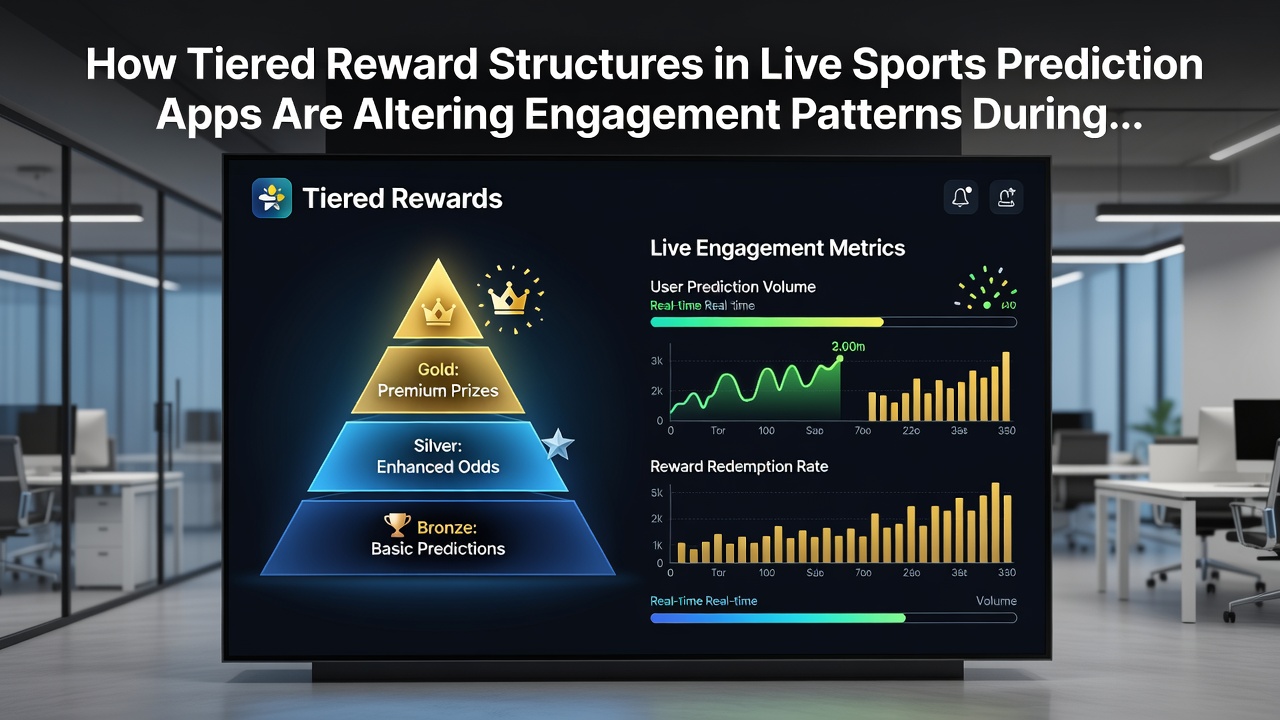
Seasonal Patterns and Platform Adjustments
During winter fixture congestion periods, platforms often introduce temporary tier accelerators tied to midweek matches. These events produce measurable lifts in daily active users, particularly among silver and gold participants who stand to gain the most from accelerated progress. Observers tracking app metrics report that such accelerators reduce churn rates by keeping users engaged through otherwise low-interest periods.
European regulatory bodies, including the Directorate-General for Communications Networks, Content and Technology, have begun examining how these structures influence sustained usage across age groups. Their preliminary findings, shared in industry briefings, highlight that younger cohorts advance tiers faster yet also show higher sensitivity to sudden changes in reward visibility.
Comparative Data Across Leagues
Engagement differs noticeably between competitions. Bundesliga matches, which feature higher average goal counts, generate more rapid tier climbs because correct-score predictions carry greater point value. In contrast, lower-scoring leagues such as Serie A reward defensive accuracy, prompting users to adopt more conservative prediction strategies once they reach higher tiers. Industry reports compiled by the European Gaming and Betting Association document these variations through anonymized platform data shared by member organizations.
Users who maintain platinum status across an entire season receive recognition badges and early access to new features, creating additional motivation to sustain activity even during international breaks. These badges appear in public profiles, adding a social dimension that further reinforces continued participation.
Conclusion
Tiered reward structures continue to influence how participants allocate time and attention across major European league seasons. Platform data from August 2026 onward demonstrates measurable shifts in login frequency, prediction timing, and league coverage as users respond to visible progression incentives. Ongoing monitoring by academic researchers and European regulatory groups will determine whether these patterns stabilize or evolve further in subsequent campaigns.